Blog
How to Choose a Carbon Brushes Supplier in Delhi – A Practical Guide
Why Supplier Choice Matters for Carbon Brushes in Delhi
Choosing the right Carbon Brushes Supplier in Delhi is about more than just price. Carbon brushes are the small but critical contact points that transfer current in motors, generators, and power tools. The wrong supplier can mean mismatched grades, poor machining, batch‑to‑batch inconsistencies, and higher downtime for workshops, industries, and service centres across Delhi NCR.
A good carbon brushes supplier in Delhi doesn’t just sell parts. They:
- Understand your motor types, loads, and duty cycles.
- Maintain tight tolerances and correct spring‑pressure compatibility.
- Offer consistent availability and technical guidance, not just quick deals.
For service centres, factories, and toolrental houses, the right supplier becomes a silent partner in uptime, safety, and long‑term machine health.
Understand the Basics of Carbon Brushes
Before you pick a carbon brushes supplier in Delhi, you need to know what you’re actually buying.
What Are Carbon Brushes?
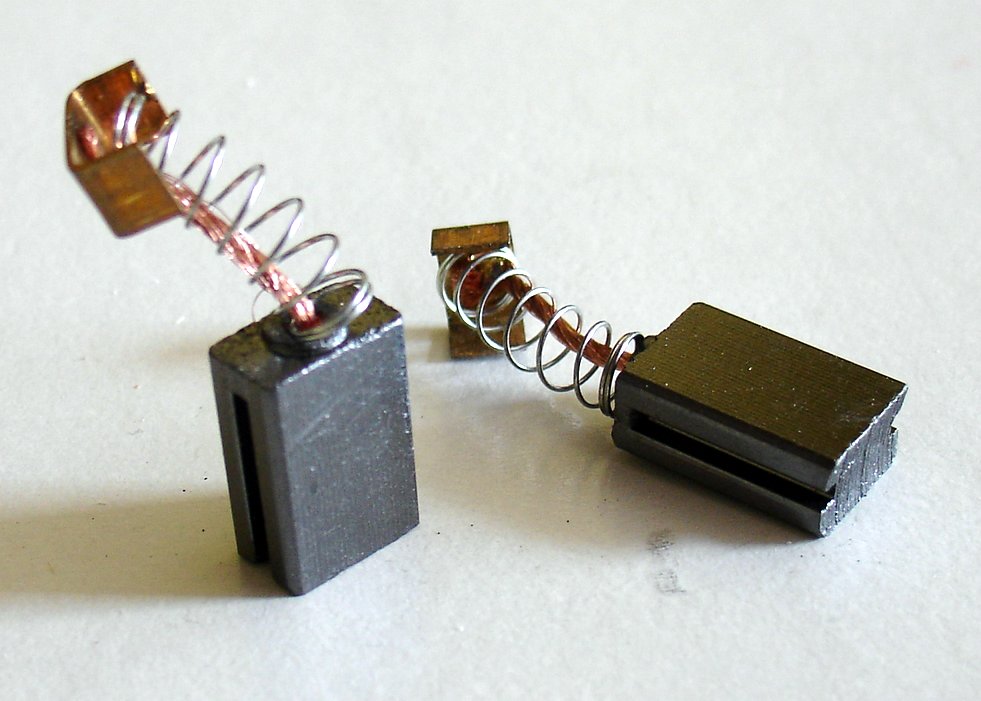
Carbon brushes are conductive blocks made of carbon or graphite compounds that slide against the commutator or slip rings of an electric motor. They:
- Carry current into rotating parts.
- Handle arcing, friction, and wear over time.
- Are consumed during operation and must be replaced periodically.
Different carbon brush grades (electrographite, natural graphite, metal‑graphite, etc.) are used for:
- Low‑voltage DC motors.
- High‑speed AC/DC motors.
- Traction and industrial applications.
Mismatching grades can lead to rapid wear, overheating, or sparking.
Common Applications in and Around Delhi
Across Delhi’s workshops, factories, and service centres, you’ll typically see carbon brushes used in:
- Hand‑held power tools (drills, grinders, polishers).
- DC motors in printers, conveyor belts, and packaging machines.
- Industrial generators and compressors.
- Automotive starter motors and alternators.
If your supplier can’t explain which grade suits your motor type, that’s an early warning sign.
First‑Step Filters When Researching a Carbon Brushes Supplier in Delhi
Start with simple, repeatable filters that help you narrow down options quickly.
Check Product Range and Specialisation
A strong carbon brushes supplier in Delhi should carry:
- Multiple grades (electrographite, graphite, metal‑graphite).
- Standard and custom sizes for common motors and tools.
- Compatibility data for major motor brands and tool manufacturers.
Ask yourself:
- Do they offer brushes for both hand‑held power tools and industrial motors?
- Can they help if you need a non‑standard or obsolete size?
If the supplier only stocks a handful of “generic” brushes, they’re unlikely to be a good long‑term partner.
Look for Technical Knowledge, Not Just Inventory
A supplier with technical understanding will:
- Ask about motor type, RPM, voltage, and duty cycle.
- Explain brush grade, hardness, and contact pressure in simple terms.
- Advise on replacement intervals based on usage.
If they only ask “how many do you need?” and don’t probe about application, they’re treating carbon brushes as a commodity, not a performance‑critical part.
You can also test their knowledge by asking:
- Which grade would you suggest for a 1200W impact drill used 8 hours/day?
- What’s the safe operating temperature for a graphite‑metal brush in open‑frame motors?
Hesitation or vague answers are red flags.
Quality and Consistency – The Hidden Make‑or‑Break Factors
Price is easy to compare. Quality is not.
Ask About Materials and Manufacturing Process
A good carbon brushes supplier in Delhi should be able to tell you:
- Whether brushes are moulded vs machined and why it matters.
- If they use pre‑baked graphite or non‑baked mixtures.
- How they handle impregnation (phosphating, resin, wax) to reduce sparking and wear.
Key points to watch:
- Machined brushes often offer better dimensional accuracy and consistency.
- Impregnation improves arc resistance and reduces brush dust.
- Undersized or oversize brushes (even 0.5 mm off) can cause poor contact, overheating, or rapid wear.
Check for Batch‑to‑Batch Consistency
A supplier who simply imports or sources from multiple vendors may struggle with:
- Changing brush hardness or density between batches.
- Varying copper‑content in metal‑graphite brushes.
- Inconsistent machining tolerance.
Good suppliers:
- Maintain in‑house quality records or batch logs.
- Test sample pieces from each batch for hardness and electrical resistance.
- Pack and label batches clearly so you can track performance.
If you’re running a service centre or workshop, ask for a small trial batch before committing to a larger order.
Look for Certifications and Testing
Formal certifications are not always present for small suppliers, but any of the following improve trust:
- ISO or ISO‑type process documentation (even if they’re not certified).
- Test equipment for resistance, hardness, or arc testing.
- Documentation of material sourcing and core suppliers.
For a carbon brushes supplier in Delhi, basic documentation and repeatable testing matter more than flashy certificates.
Serviceability, Availability, and Delivery
A technically sound supplier is useless if they can’t deliver when you need them.
Stock Depth and Lead Times
Ask:
- What percentage of your catalog is in ready stock?
- How long is the lead time for fast‑moving SKUs?
- Can you fulfil rush orders for workshops during peak season?
A good supplier in Delhi will:
- Keep high‑volume SKUs in stock.
- Offer clear timelines for custom or low‑volume items.
- Avoid long‑term back‑orders for common brush types.
Packaging and Storage Practices
Brushes are fragile and sensitive. Poor packaging can:
- Cause chipping or edge damage.
- Expose brushes to moisture or contamination.
- Mix grades or sizes in the same box.
What to look for:
- Individual or grouped packaging by size/grade.
- Moisture‑resistant pouches or boxes for storage.
- Clear labelling (grade, size, motor type, batch number).
If the supplier casually throws brushes into a sack or mixed box, question how seriously they take quality.
Local vs Online‑Only Suppliers
Delhi’s mix of physical markets and online platforms means:
- Physical suppliers in Bhagirath Palace, Mayapuri, or industrial areas can offer quick, same‑day support.
- Online‑only suppliers may have wider reach but slower response and delivery.
A strong modern supplier often blends both:
- Local presence for walk‑in workshops and samples.
- E‑commerce or WhatsApp‑based ordering for repeat orders.
Commercial and Trust Factors When Choosing a Supplier
Price is important, but it should never be the only decision driver.
Pricing and Transparency
Red flags:
- Significantly lower prices than the market average with no clear reason.
- No clear price list or scope for bulk‑discount structure.
- Hidden surcharges for cutting or customisation.
Positive signs:
- Transparent per‑unit pricing with clear breakdowns.
- Bulk‑discount tiers for regular workshops or service centres.
- Willingness to explain why one grade or size is more expensive.
For a carbon brushes supplier in Delhi, fair pricing with clear logic is better than “cheapest” with unknown quality.
Warranty, Returns, and Claim Handling
A trustworthy supplier should:
- Offer a clear warranty or replacement policy for defective brushes.
- Accept returned samples for inspection if multiple motors show the same issue.
- Not make return‑processing difficult or time‑consuming.
If they refuse to replace or investigate a batch that consistently causes sparking or early wear, consider that a serious warning.
Invoice, Documentation, and Traceability
From a business‑and‑tax perspective, you need:
- Proper invoices with itemized descriptions.
- Batch numbers or serial tracking where possible.
- Technical datasheets or reference charts for common motors.
These help you:
- Track which brushes served which machines.
- Spot patterns if multiple tools fail with the same batch.
- Maintain clean records for audits or warranty claims.
How to Test a Carbon Brushes Supplier in Delhi in Practice
Theory is one thing. Real‑world testing is another.
Start with a Small Trial Order
Before committing to a long‑term relationship with a carbon brushes supplier in Delhi, follow these steps:
- List your most common motors and tools (3–5 SKUs).
- Ask the supplier to provide brushes for those specific models.
- Order a small trial batch (10–20 pieces per type).
- Use them in real‑world conditions for 2–4 weeks.
Track:
- Brush life (how many hours until replacement).
- Sparking levels (visible arcing or excessive dust).
- Temperature of the motor casing.
Share this feedback with the supplier. A good partner will ask questions and suggest improvements.
Compare Performance Against Existing Supplier
If you’re already using another supplier, compare:
- Run time before replacement.
- Ease of installation (are the dimensions and spring‑fit consistent?).
- (after‑sales support) for issues or queries.
If the new supplier consistently performs better and offers responsive support, they’re a strong candidate.
Check References and Word‑of‑Mouth
Ask:
- Which workshops or industries in Delhi use your brushes regularly?
- Can I speak to one or two of them?
You can also:
- Ask local workshops about who they buy carbon brushes from and why.
- Observe if they praise reliability, consistency, and technical help.
Names popping up repeatedly are usually worth a closer look.
How Oddessey Power Tools Supports Workshops and Service Centres
Oddessey Power Tools focuses on being a trusted carbon brushes supplier in Delhi for hand‑held power tools and small industrial motors. Here’s how this translates into practical benefits for your workshop or service centre.
Motor‑Specific Brush Selection
- Oddessey Power Tools classifies brushes by motor type, power rating, and duty cycle, not just generic sizes.
- Technicians can clearly match brushes to specific hand‑drills, grinders, polishers, and similar tools.
This reduces guesswork and lowers the risk of mismatching brushes.
Consistent Quality and Testing
- Brushes are sourced or manufactured with an emphasis on dimensional accuracy and batch consistency.
- Basic testing is carried out to ensure electrical resistance and hardness fall within acceptable ranges.
This helps avoid situations where one batch works fine but the next causes sparking or rapid wear.
Workshop‑Friendly Packaging and Labelling
- Brushes are packed by size and grade, with clear labels showing:
- Motor type reference.
- Common tool models.
- This makes it easier to stock, pick, and replace brushes quickly in a busy workshop.
Responsive Support and Technical Guidance
- Oddessey Power Tools offers technical guidance on:
- Which brush grade suits your operating conditions.
- When to schedule replacements.
- If you notice increased sparking, dust, or heating in a batch of tools, the team can help investigate whether the issue lies with the brush, motor, or operating style.
Scalable Supply for Growing Workshops
For service centres that repair or maintain multiple brands of tools:
- Oddessey Power Tools can scale supply as your volume increases.
- Bulk‑order structures and stock planning help reduce storage pressure and downtime.
Warning Signs: Red Flags to Avoid in a Carbon Brushes Supplier
Know what to walk away from.
No Technical Explanation
If a supplier:
- Cannot explain the difference between graphite and metal‑graphite brushes.
- Refuses to share basic specs (size, grade, recommended motor type).
- Says all brushes are the same,
it’s a sign they’re not invested in performance or safety.
Too‑Good‑To‑Be‑True Pricing
Extremely low prices often indicate:
- Recycled or reprocessed material.
- Poor machining and inconsistent dimensions.
- Higher wear rates and frequent complaints from customers.
If price is the only selling point, question the hidden cost to your tools and reputation.
Inconsistent Stock and No Communication
Watch out for:
- Frequent stockouts of basic SKUs.
- No clear lead‑time or update when stock is delayed.
- Poor communication when you follow up.
A supplier who cannot manage basic inventory and communication will cause more downtime than they solve.
No Willingness to Supply Samples or Trial Batches
If they refuse small orders or samples, it suggests:
- They’re not confident in quality.
- They’re more interested in one‑off big orders than long‑term partnerships.
FAQ
Here are actual questions Delhi‑area workshops and service centres ask (and the answers you should expect).
How Often Should We Replace Carbon Brushes in Hand‑Held Tools?
- For light‑duty use (single shifts, low‑load), check every 200–300 hours.
- For heavy‑duty use (continuous run, high‑load), check every 100–150 hours.
- Visible signs:
- Excessive sparking.
- Dark‑brown or black dust buildup.
- Decreased motor speed or power.
A good carbon brushes supplier in Delhi will align their replacement recommendation with your actual usage pattern, not just a generic rule.
Can Using the Wrong Brush Damage the Motor?
Yes. Using the wrong carbon brushes can:
- Cause excessive sparking, damaging the commutator.
- Lead to uneven wear, creating hot spots and vibrations.
- Increase temperature, shortening motor life.
A supplier who understands motor protection will discourage cheapest compatible brushes and instead suggest the closest matching grade.
How Do We Ensure Long‑Term Compatibility?
- Keep a brush log for each tool or motor type (grade, size, supplier, batch).
- Track failure patterns: if multiple motors fail with the same batch, raise it with the supplier.
- Ask the supplier for technical datasheets or reference charts for future replacements.
This builds information gain across your workshop and reduces repeat mistakes.
Practical Step‑by‑Step Checklist for Picking a Supplier in Delhi
Use this checklist every time you evaluate a carbon brushes supplier in Delhi.
- Define Your Needs
- Motor types (power tools, industrial motors, automotive).
- Typical power rating and duty cycle.
- Expected monthly or quarterly volume.
- Shortlist Potential Suppliers
- Look for local markets (Bhagirath Palace, Mayapuri, industrial zones).
- Check for online presence or ordering channels.
- Note if they specialise in power tools or generic industrial brushes.
- Ask Technical Questions
- “Which grades do you stock for hand‑held power tools?”
- “Can you help with non‑standard sizes?”
- “How do you test or inspect batches?”
- Request a Trial Batch
- Order brushes for your top 3–5 motor types.
- Use them under normal working conditions.
- Track brush life, sparking, and dust levels.
- Evaluate Responsiveness and Support
- Note how quickly they respond to queries.
- Check if they offer guidance on replacement intervals and troubleshooting.
- Test their return/warranty process with one or two defective pieces.
- Compare Pricing and Terms
- Compare unit price, bulk discounts, and lead time.
- Avoid hidden charges for cutting or special orders.
- Ensure invoices and documentation are clear.
- Final Selection and Documentation
- Standardise on one primary supplier for each major motor type.
- Maintain a simple internal record of supplier, grade, and batch.
- Revisit the supplier relationship every 6–12 months based on performance.
Improving Your Workshop’s Brush Management System
A smart carbon brushes supplier in Delhi can only help if your workshop manages brushes well internally.
Simple Stock Management Tips
- Group brushes by tool type (drills, grinders, polishers, etc.).
- Use clear labels showing size, grade, and compatible motor.
- Store brushes in a dry, clean area away from dust and moisture.
Preventive Maintenance Routine
- Schedule brush inspection during routine motor servicing.
- Document wear patterns and note if certain suppliers or batches perform better.
- Train technicians to recognise early signs of brush problems (excessive sparking, dust, speed loss).
Building a Local Supplier Relationship
- Share your usage patterns and feedback with your chosen supplier.
- Ask for technical updates when new brush types or grades are introduced.
- Treat them as a technical partner, not just a parts vendor.
Conclusion
Choosing the right carbon brushes supplier in Delhi is a decision that directly affects motor performance, tool life, and workshop reputation. A supplier who understands technical details, offers consistent quality, and provides responsive support becomes more than a vendor—they become a silent partner in your uptime and reliability When a supplier like Oddessey Power Tools aligns with your needs—offering suitable grades for hand‑held power tools.
You may also like – Carbon Brushes Supplier Delhi – High-Grade & Affordable Prices